All Categories
Featured

It is a directional metric, not an absolute one, since AI responses differ between sessions and platforms. What it actually measures: how frequently your brand name appears in responses how often your content is referenced as a source how typically your URL is linked how your brand is explained which queries surface you, which emerge rivals your relative share versus named alternativesIt matters in 2026 since discovery is multi-surface.
Schema Markup and Structured Data
Based upon keyword rankings and SERP impressions Based on prompt-level points out and citations Measured on Google and Bing search pages Determined across ChatGPT, Perplexity, Gemini, AI Overviews, Bing Copilot, Claude Keyword sets Prompt sets Click-through is the conversion event Citation inclusion is the exposure occasion Stable rank tracking Probabilistic, needs duplicated tasting The methodological shift matters.
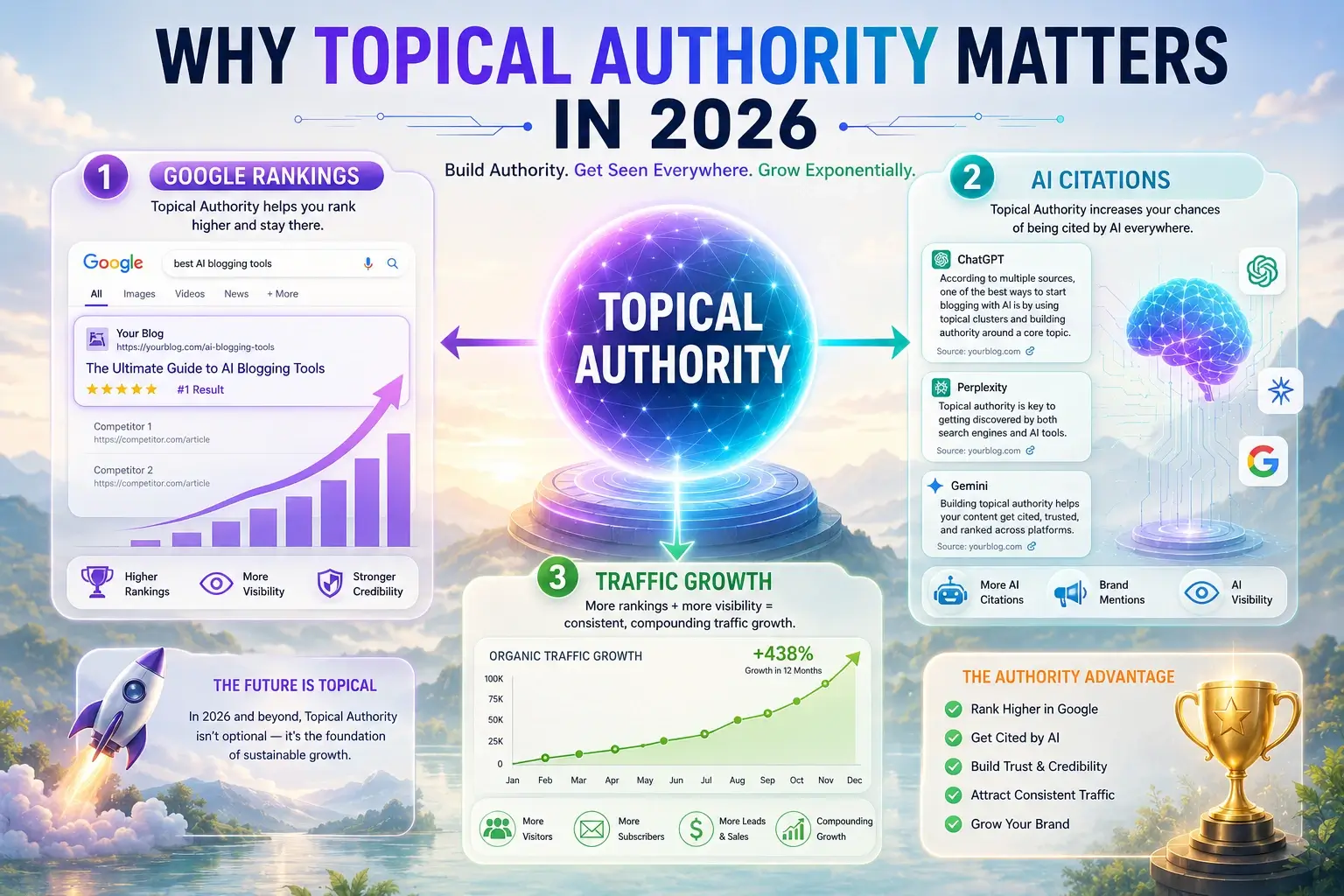
Triggers presume a generated response that may differ throughout sessions, which is why AI share of voice tools depend on repeated sampling and aggregated trend data rather than a single picture. The old SEO playbook presumed purchasers would reach your site through a ranked link. That assumption is breaking. In TrustRadius's 2025 study of 2,548 respondents (2,058 B2B technology buyers and 490 vendors), 72% of buyers reported coming across Google's AI Overviews throughout software research, and 90% of those buyers clicked a minimum of one mentioned source inside the summary.

Latest Posts

Increasing Domain Authority in the Modern Market

Why You Need AI-Driven Authority Systems

How Search Engines Evaluate Topical Authority in 2026